Every case has a story.
Nimzo Stories tells true crime, unsolved cases and historical mysteries as one-minute cinematic shorts, then opens a full case file for anyone who wants to go deeper.
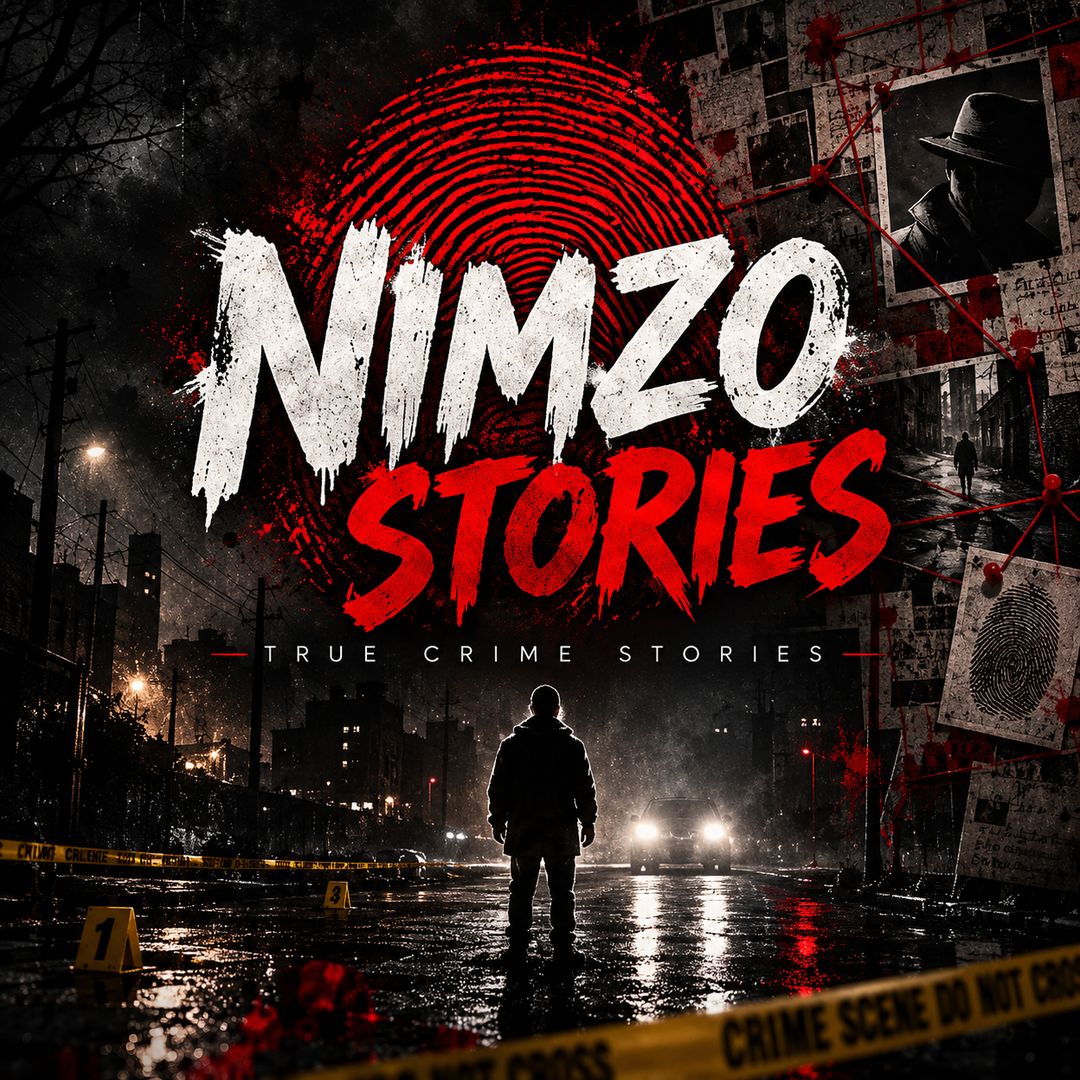 shine a light…
Three rules
Tap a card to turn it over.
A question first. Then the evidence.
Each case starts with a question the evidence can actually support: Who was she? Did they make it? What was it for?
We read primary records, archives, official histories and credible reporting, and note the dates, people, places, evidence and disputed claims. The short tells the story in six scenes. The case file keeps what the short has to leave out.
Real people are at the centre of these stories, and many of them have living relatives. We separate what is documented from what is suspected, attribute allegations to the people who made them, and don't invent details to make a case more dramatic.
How a case is built
Six steps from first question to published file. Scroll through them.
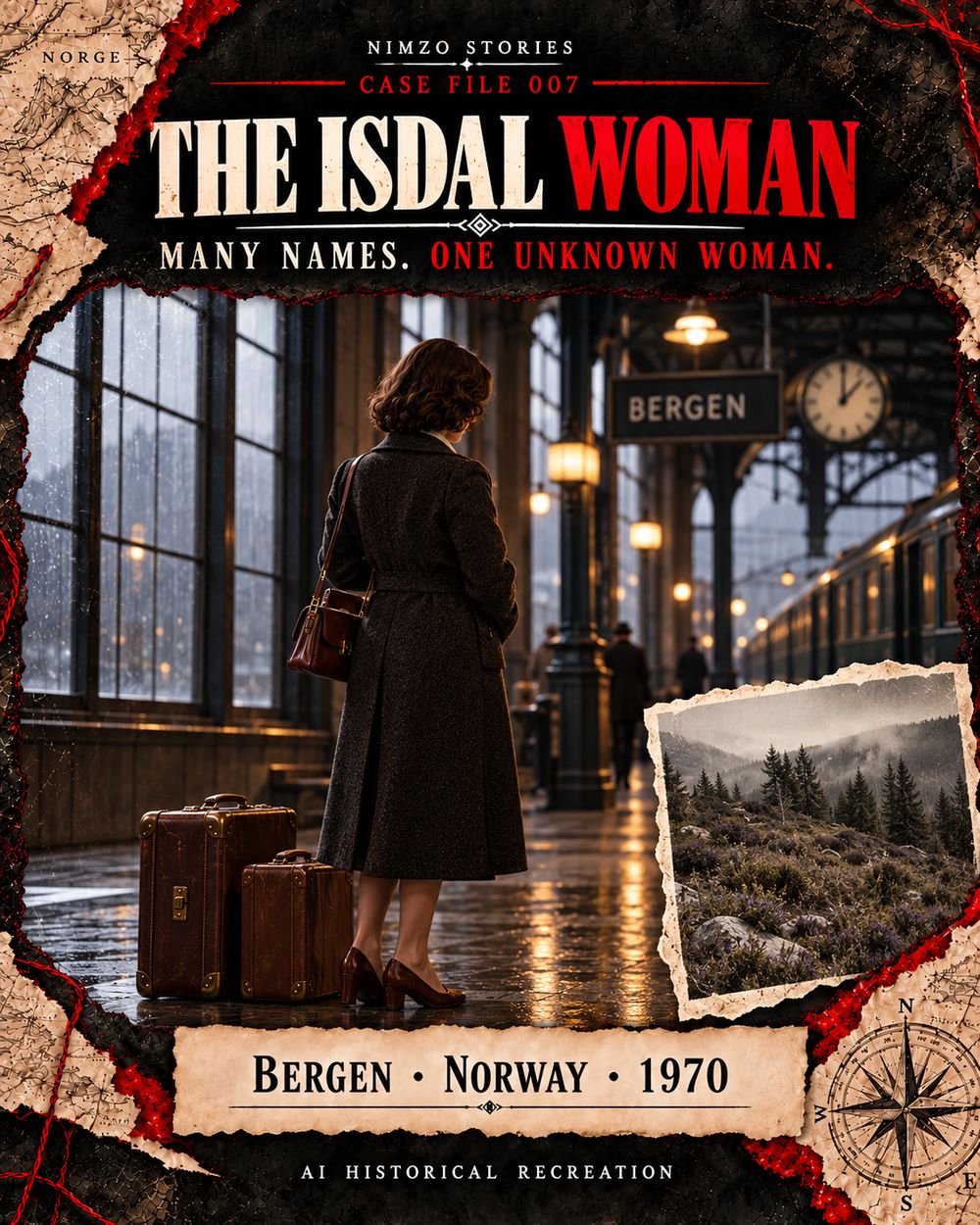
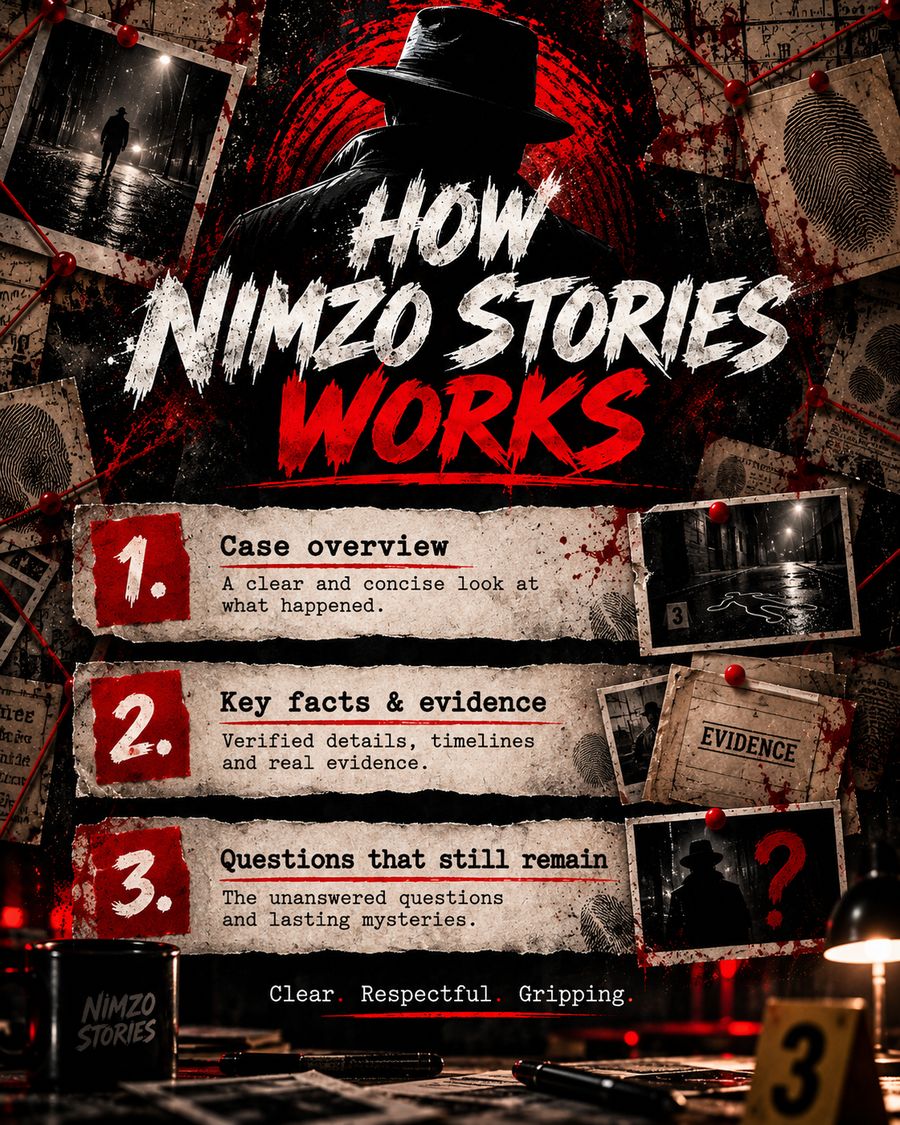
Choose a case with credible sources
A clear question, records we can cite, and six moments strong enough to film.
Build the record
Dates, people, places, evidence, disputed claims and open questions, from primary and reputable sources.
Write six beats
Each scene reveals something or changes what the viewer understands. If a scene doesn't move the story, it goes.
Recreate the scenes
AI-generated historical recreations inside the Nimzo frame, checked for continuity, hands, props and plausibility.
Check before release
Narration, captions, dates and names are checked against the sources, and every recreation is labelled.
Publish the file
The short goes out with its full case file, and the file is updated when credible new information appears.
Real or recreation?
We use AI to recreate scenes no camera saw, and we always label them. See if you can tell which images are original documents.
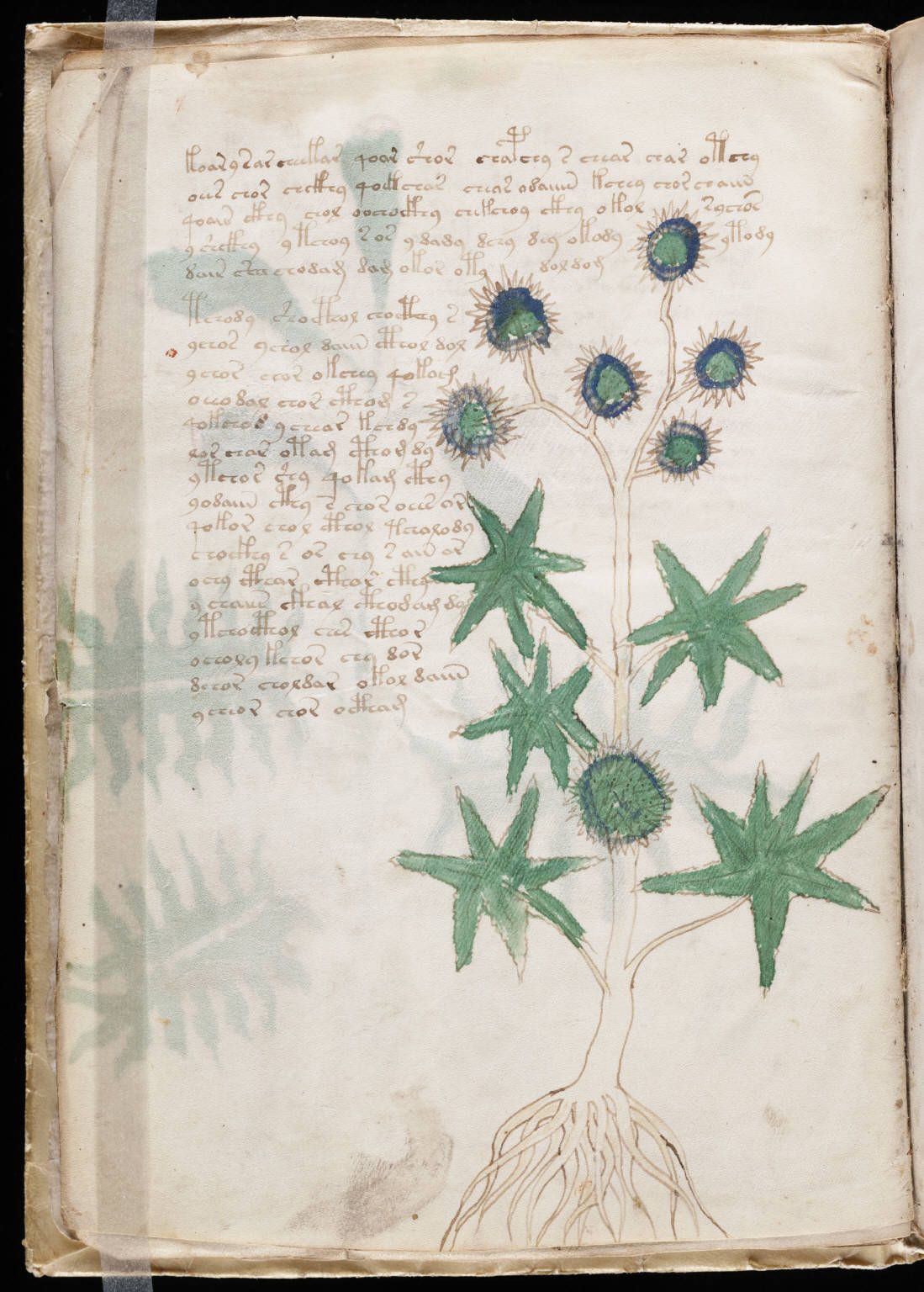 Original document
Original: a herbal page from Beinecke MS 408, Yale University.
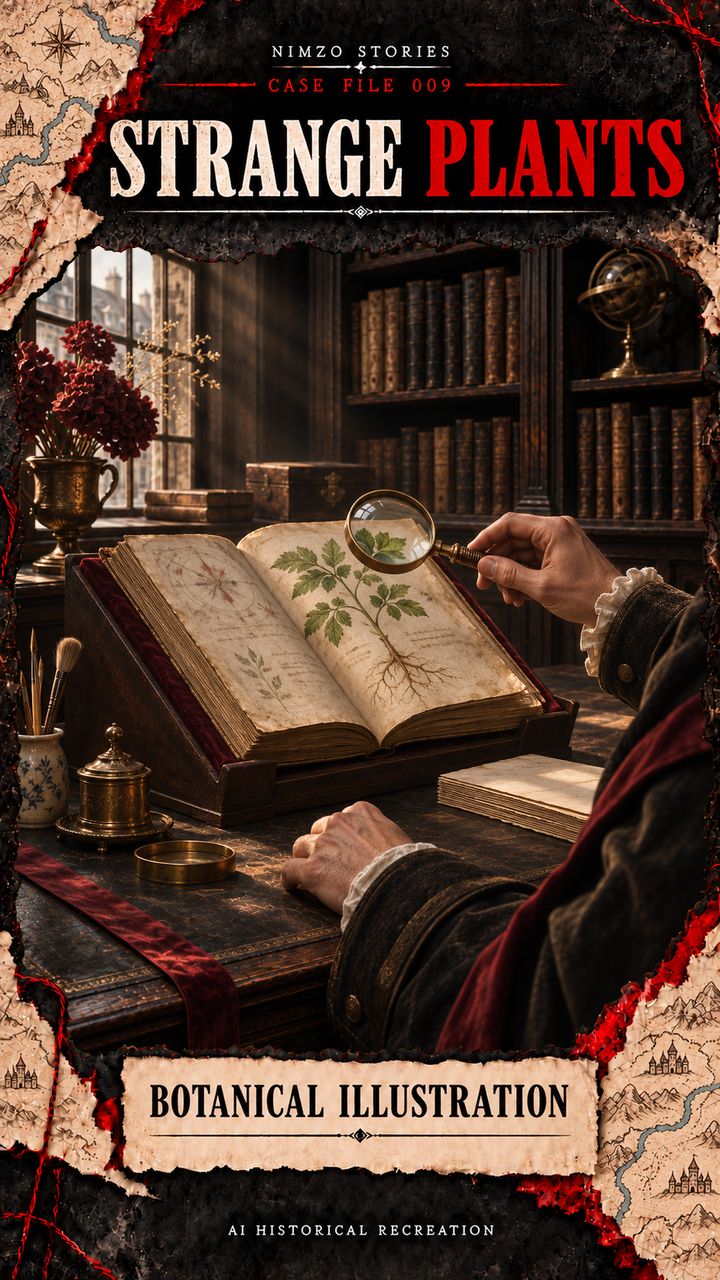 AI historical recreation
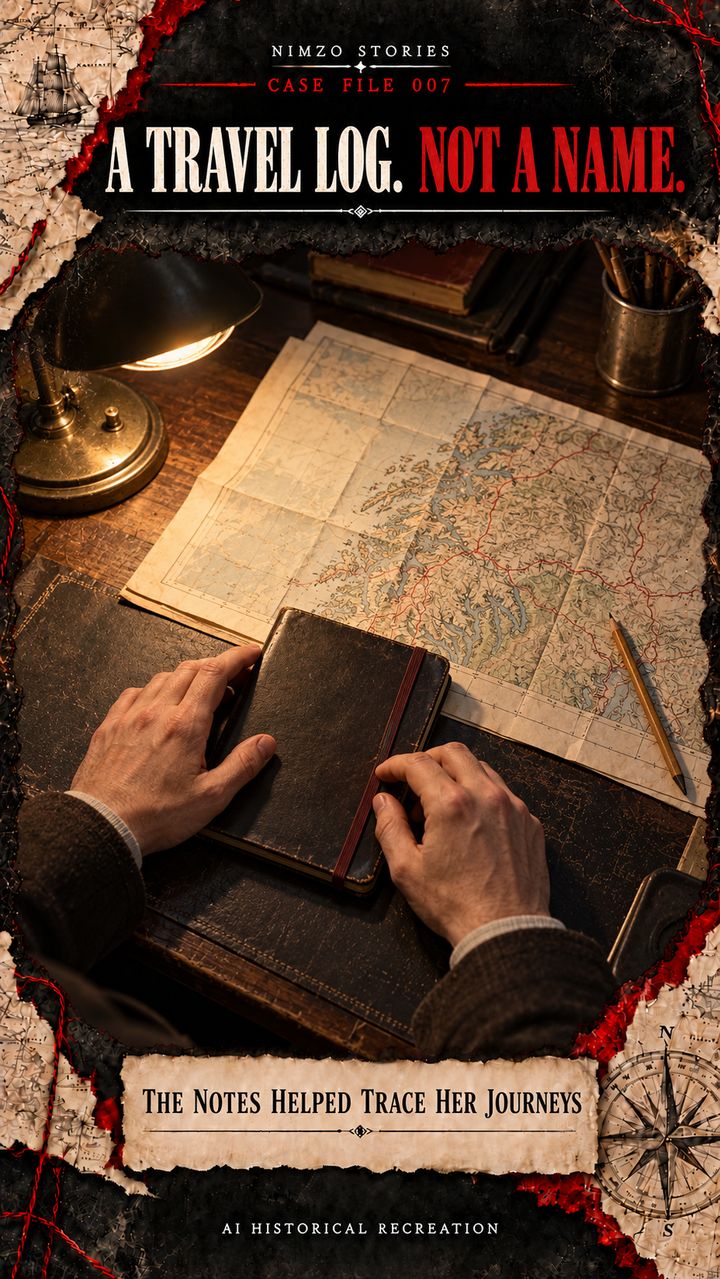
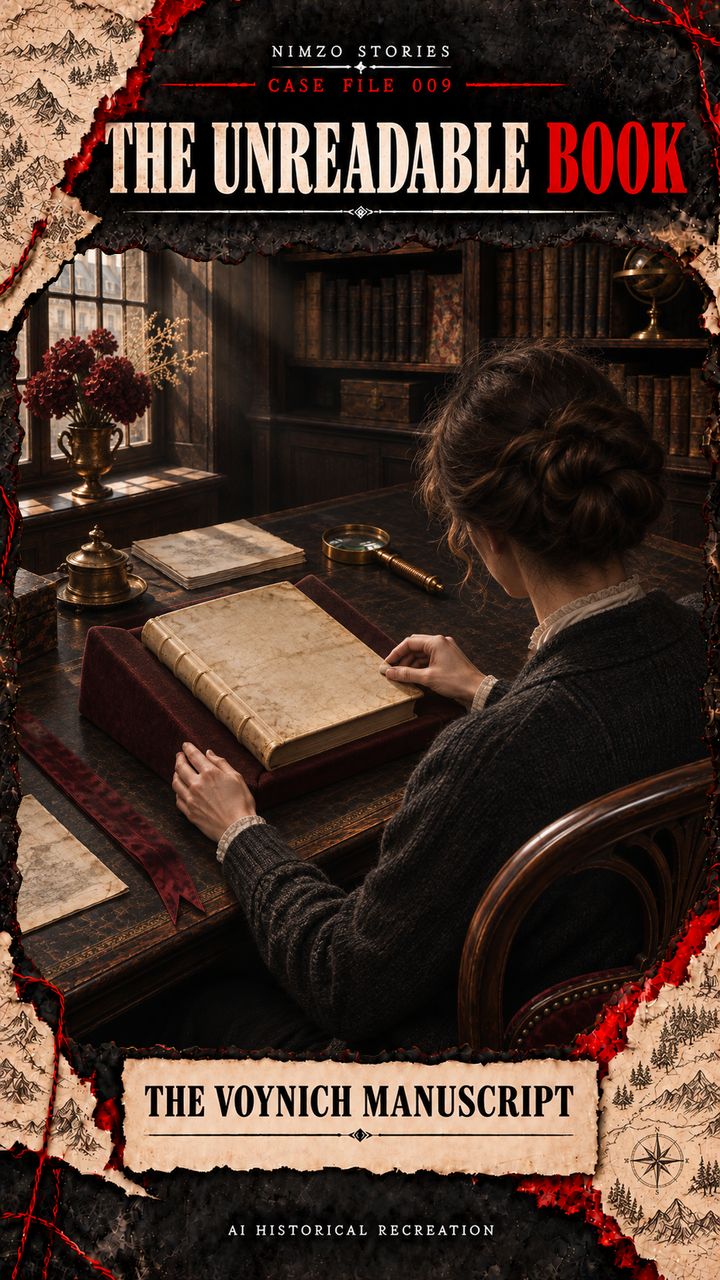
AI recreation made for Case 009. The hands, the desk and the book are generated.
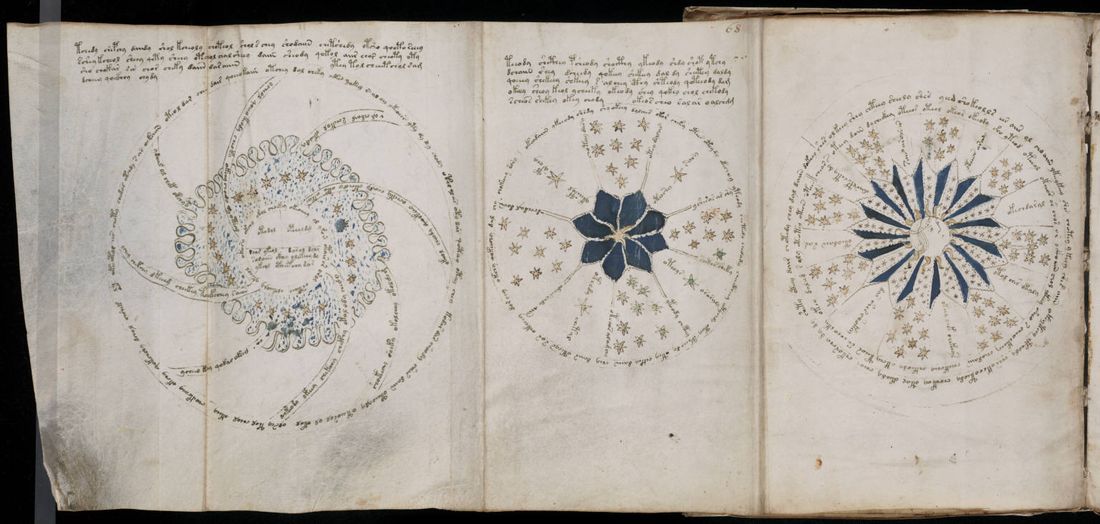 Original document
Original: a cosmological diagram from the Voynich Manuscript.
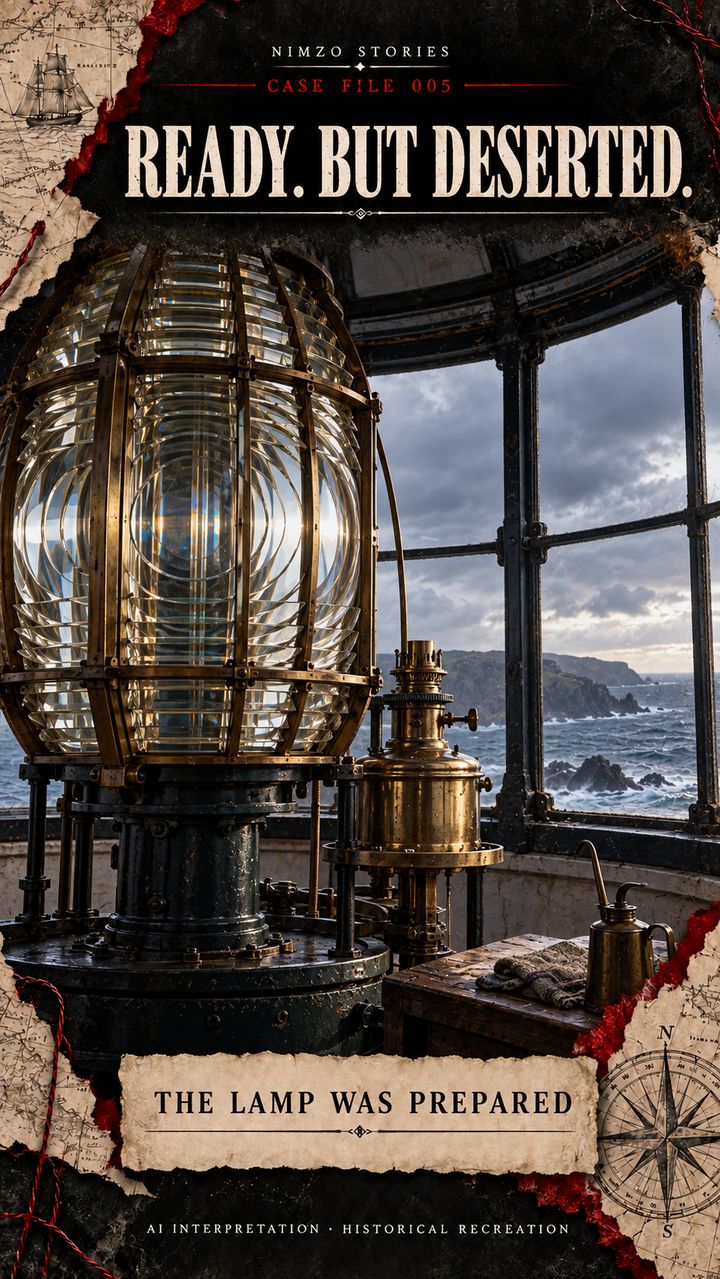 AI historical recreation
AI recreation made for Case 005. No photographs exist of that moment.
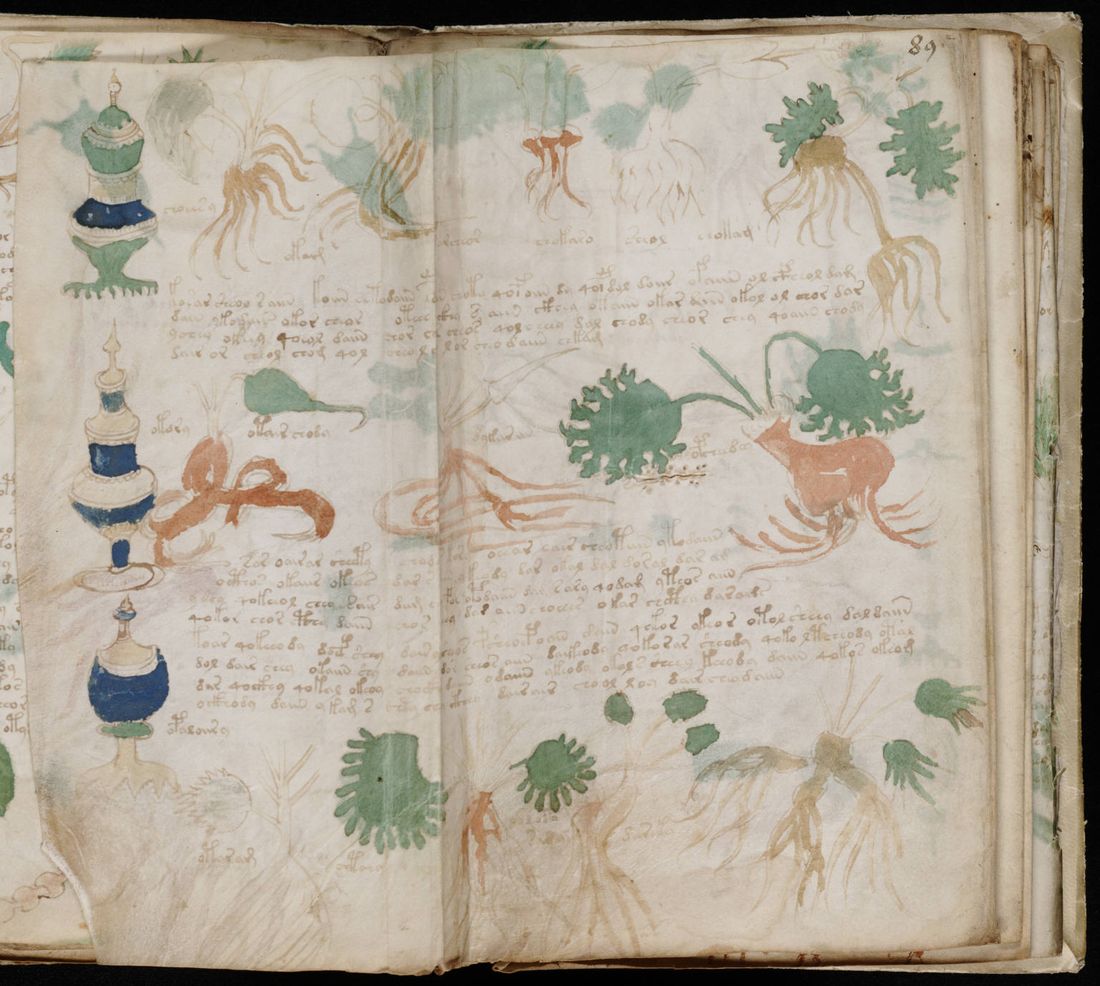 Original document
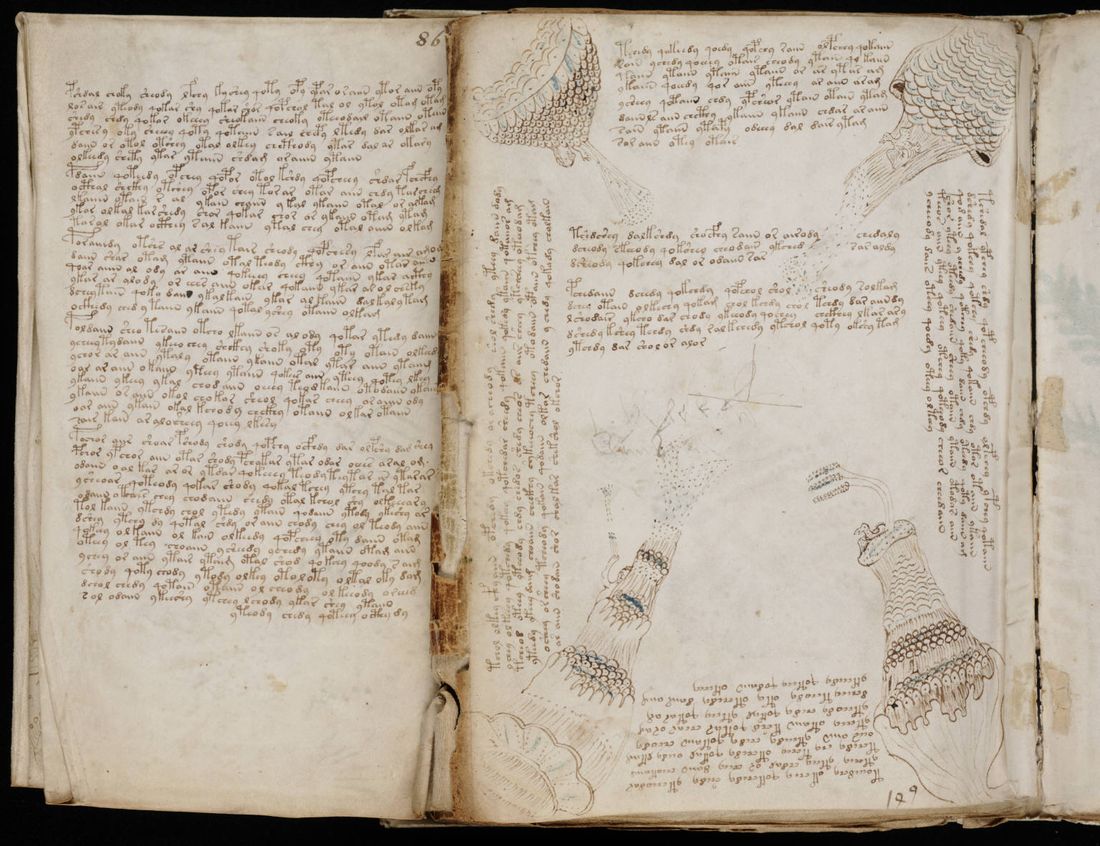
Original: a pharmaceutical page from Beinecke MS 408.
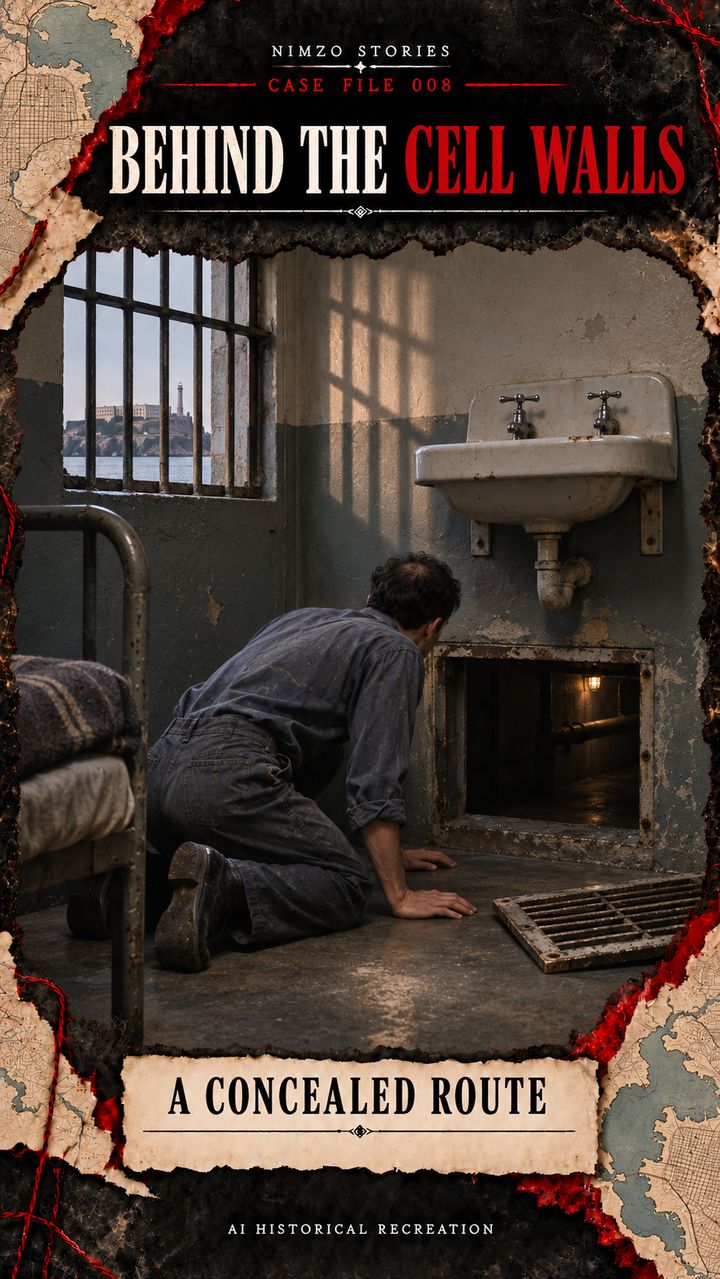 AI historical recreation
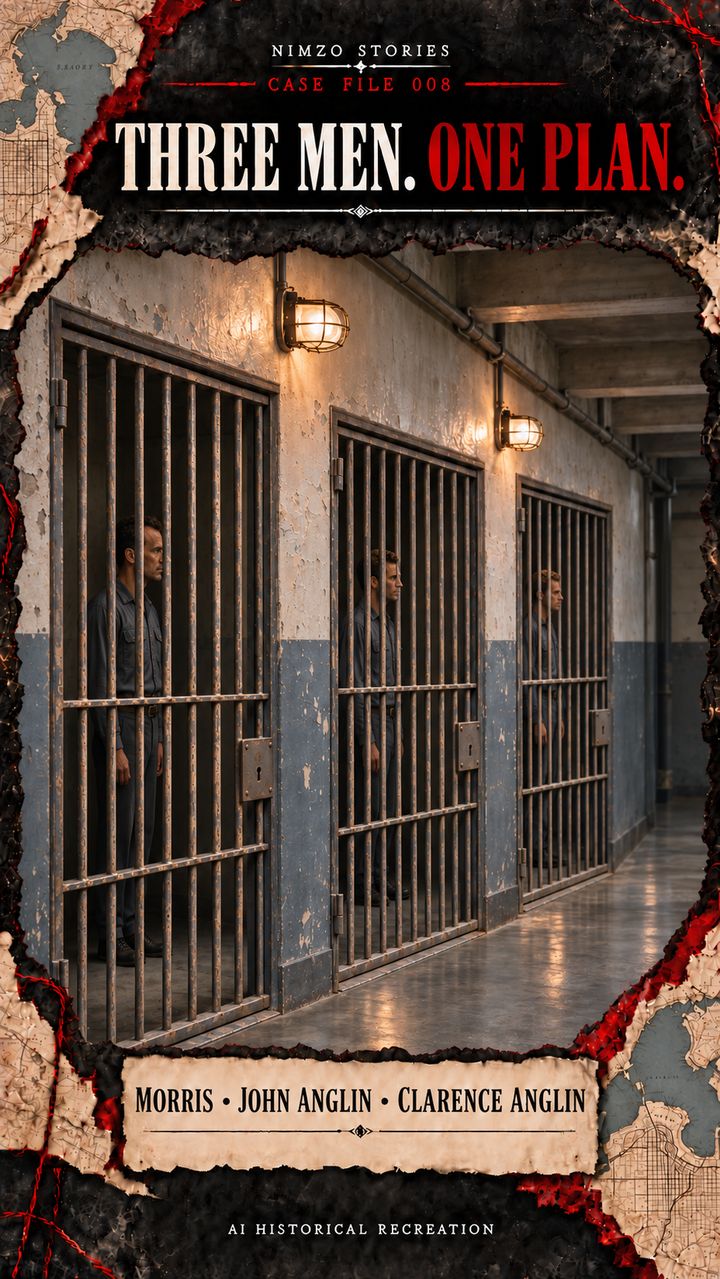
AI recreation made for Case 008, based on the FBI's description of the vents.
You scored . Every one of them is labelled on the site.
The Nimzo look
The logo, cover and colours. Tap a picture to see it full size, or a colour to copy it.
Watch the short. Read the file.
Every Nimzo short opens a case. The full file, with the timeline, evidence and sources, lives here. Follow us to hear about the next one first.